


Introduction:
Cameroon, often referred to as “Africa in Miniature” due to its cultural and geographical diversity, is facing a significant challenge that has left an indelible mark on the nation – the Anglophone Crisis. This protracted conflict, rooted in historical and linguistic grievances, has not only led to social and political instability but has also taken a toll on the economic fabric of the country. One of the most alarming consequences has been the surge in poverty rates, disproportionately affecting the lives of ordinary Cameroonians.
Historical Context:
The Anglophone Crisis traces its origins back to the period preceding Cameroon’s reunification in 1961, when the British-administered Southern Cameroons joined the French-administered Republic of Cameroon. Over the years, tensions have escalated, fueled by perceptions of marginalization, cultural differences, and political grievances. This crisis has evolved into a complex and multifaceted challenge, with dire implications for the nation’s economic well-being.
Economic Impact:
The conflict has dealt a severe blow to the Cameroonian economy, especially in the affected regions of Northwest and Southwest Cameroon. The disruption of economic activities, destruction of infrastructure, and displacement of communities have led to a decline in agricultural productivity and trade. These regions were once vibrant economic hubs, contributing significantly to the nation’s GDP through agriculture, trade, and other sectors.
Agricultural Decline:
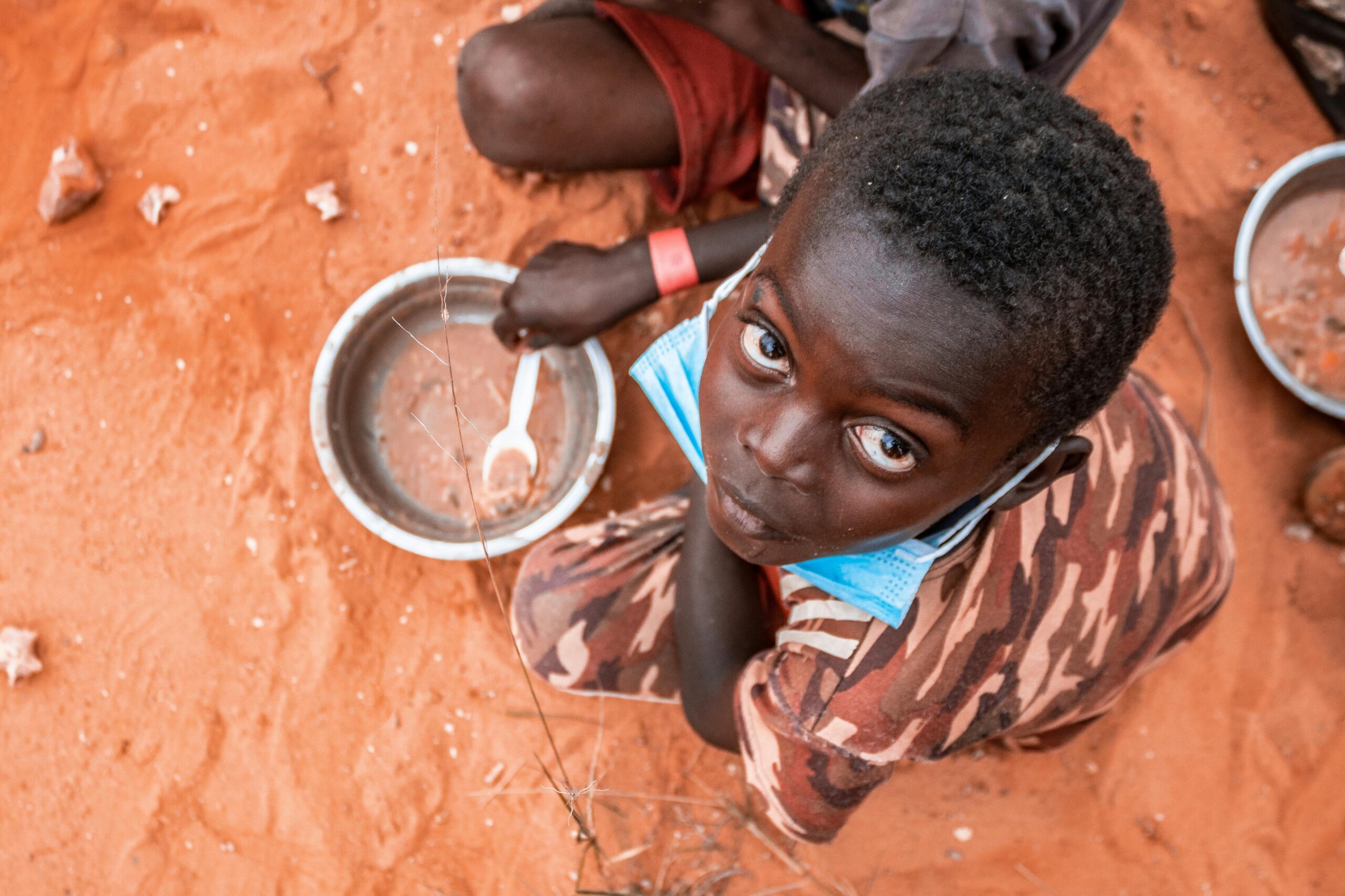
The Anglophone Crisis has severely impacted the predominantly agrarian communities in the affected regions. Farmers, often caught in the crossfire or displaced from their lands, face immense challenges in cultivating and harvesting crops. The disruption of supply chains has led to food shortages, contributing to rising prices and increased food insecurity. Families, once self-sufficient, now find themselves dependent on humanitarian aid.
Business and Trade Disruptions:
Businesses in the Anglophone regions have been forced to shut down or operate under extremely challenging conditions. The violence and insecurity have deterred investors, both domestic and international, from engaging in economic activities. The closure of businesses has led to job losses, leaving many unemployed and exacerbating poverty levels. Moreover, the regions’ potential as economic hubs has been stunted, affecting Cameroon’s overall economic growth.
Displacement and Humanitarian Challenges:
The Anglophone Crisis has triggered a significant displacement of populations, with many seeking refuge in other regions of Cameroon or neighboring countries. Internally displaced persons (IDPs) face dire living conditions, lacking access to basic necessities such as food, clean water, and healthcare. The strain on existing resources has overwhelmed humanitarian organizations, highlighting the urgent need for both national and international intervention.
Education Setbacks:
The crisis has disrupted the education system in the Anglophone regions, leading to the closure of schools and universities for extended periods. The lack of access to quality education perpetuates cycles of poverty, limiting future opportunities for the younger generation. The consequences of an uneducated and disenfranchised youth population could have lasting effects on the nation’s socio-economic development.
Government Response and International Support:
Addressing the poverty resulting from the Anglophone Crisis requires a multifaceted approach. The Cameroonian government, alongside international partners and humanitarian organizations, must work collaboratively to restore peace, rebuild infrastructure, and provide economic opportunities for the affected communities. Furthermore, a focus on social programs, including education and healthcare initiatives, is crucial for long-term recovery.
Conclusion:
The Anglophone Crisis has undeniably heightened the rate of poverty in Cameroon, particularly in the regions directly affected by the conflict. Urgent and concerted efforts are needed to mitigate the economic fallout, restore stability, and provide a path for sustainable development. The resolution of the crisis is not only a political imperative but also an economic necessity for Cameroon’s future prosperity.